Frozen Meals for Muslim Families: Halal Convenience Without Compromise
Menu Home About Catering Meals Frozen Meals Meals That Matter Blog June 30, 2026 abdul nafay There’s a particular kind...
Read More →

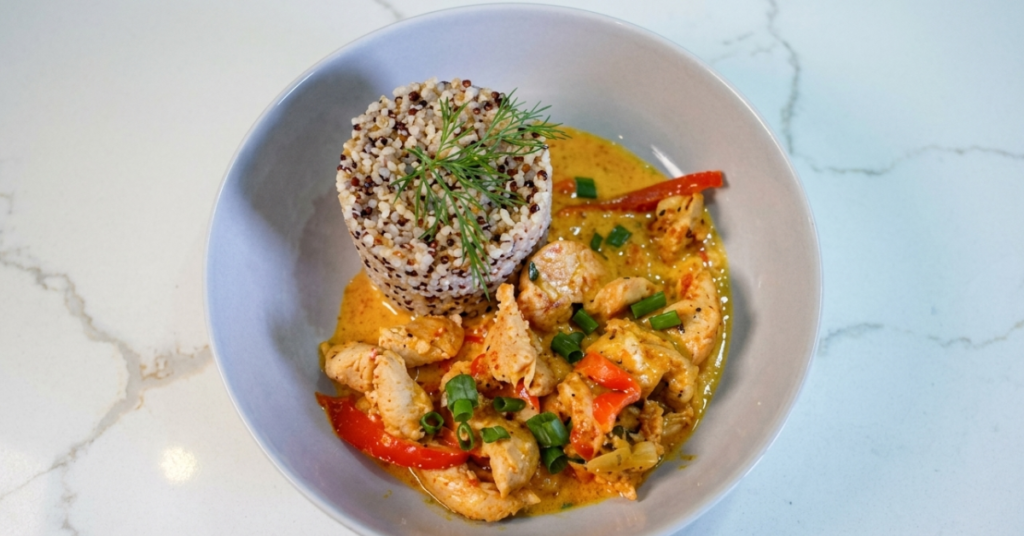
There’s a particular kind of tired that hits around 6 p.m. on a weeknight. You’ve been at work, ferrying kids between school and tuition, or sitting through back-to-back lectures. The idea of chopping onions for forty minutes feels like a small act of cruelty. This is exactly the gap that good frozen meals are meant to fill, and for Muslim households in South Africa, that gap has historically been harder to close than it should be.
Halal-conscious families haven’t always had it easy in the freezer aisle. Plenty of convenient, ready-to-eat options exist, but “convenient” and “halal” haven’t always lived on the same shelf. That’s slowly changing, and it’s worth understanding why frozen meals have become such a serious dinner solution rather than a last resort.
Frozen meals used to carry a bit of a stigma: bland, soggy, the sort of thing you’d eat only when there was nothing else in the house. That reputation is outdated. Modern flash-freezing technology locks in flavor and texture almost immediately after cooking, which means a well-made frozen meal can taste closer to home-cooked than most people expect.
For South African households specifically, frozen meals solve a very local problem: load shedding. When you don’t know if you’ll have power at 6 p.m. or 9 p.m., dinner planning becomes stressful. Having a stocked freezer of meals that just need quick reheating takes one major source of anxiety off the table. Students living away from home, office workers without time for a proper lunch break, and parents juggling three different school runs all lean on frozen meals for the same reason they buy back time without sacrificing a proper meal.
Not all frozen meals are created equal, and for Muslim consumers, the difference isn’t cosmetic; it’s foundational.
A genuinely halal meal isn’t just “no pork.” Certification covers the entire chain: how the animal was slaughtered, what it was fed, how the meat was stored, and whether cross-contamination with non-halal products happened anywhere along the line. Reputable halal certification bodies inspect facilities, not just final products, which is part of why certification matters more than a label alone. When a brand displays proper halal certification, it’s telling you that an independent authority has actually checked the process, not just taken their word for it.
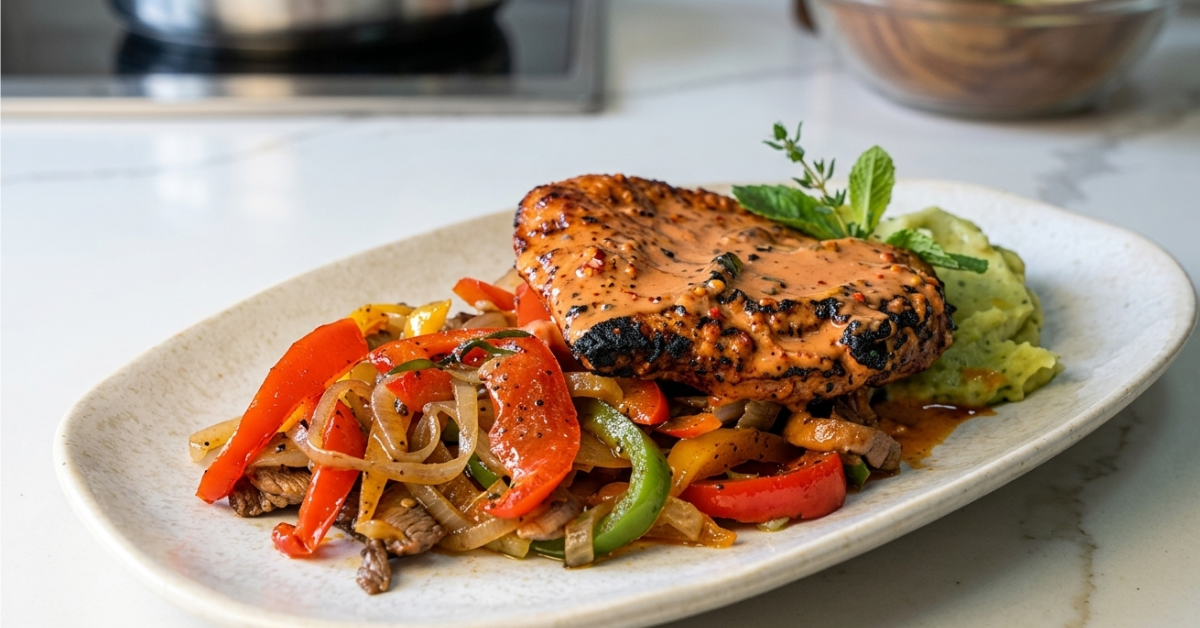
Beyond certification, ingredient sourcing affects both trust and taste. Halal meals made with fresh, properly sourced chicken or beef, real spices, and minimal artificial preservatives tend to hold up far better through the freezing and reheating process than meals built around cheaper fillers. If a frozen meal turns rubbery or watery after reheating, that’s usually a sourcing or preparation issue, not a freezing one.
Muslim food delivery services have quietly solved a tough logistics problem. Halal-eating families dealt with this for years: finding a reliable, trustworthy source without driving across town to a single butcher or restaurant.
Delivery services that focus specifically on halal meals remove the guesswork. You’re not reading ingredient lists trying to figure out what obscure terms actually mean. You are also not relying on a single corner shop’s word. For Muslim food delivery to work well, three things need to line up:
genuine halal sourcing, food that survives the freezing and delivery process without losing quality, and packaging that keeps everything food-safe from the kitchen to your door.
This matters just as much for catering and bulk orders, office lunches, family gatherings, or community meal donations where consistency across dozens of portions is non-negotiable.
Good frozen meals depend on more than good recipes. A few practical points worth knowing:
These aren’t just technical details; they’re the difference between a meal that tastes the way it’s supposed to and one that doesn’t.
Meal preppers already know this trick, but it’s worth spelling out for anyone new to it. Stock a small rotation of frozen meals: a rice-based dish, a pasta dish, a pie or savory bake, and something lighter like a chicken bowl, and you’ve effectively built a week’s worth of dinners without touching a stove every night.
This works particularly well for:
A good halal frozen meal should hold its texture after reheating, smell like real spices rather than artificial flavoring, and list ingredients you recognize. Portion size matters too; a meal that’s technically halal but leaves you hungry an hour later isn’t solving the problem it was bought to solve.
Look for South African flavors done properly: peri-peri, chakalaka, and a decent steak pie rather than generic “international” frozen food that tastes the same no matter what’s on the box. When a brand gets the local flavors right and keeps the halal sourcing tight, that’s usually a sign the rest of the process has been taken seriously too.
Frozen meals were never meant to replace home cooking entirely. They’re meant to be there on the nights when home cooking isn’t realistic, and for halal-conscious families, having that option without compromising on certification or quality is no small thing.
Q: Are frozen meals as healthy as freshly cooked food?
Honestly, yes, more often than people expect. When a meal is flash-frozen right after cooking, it locks in nutrients at that point, which can actually leave it better off than a “fresh” plate that’s been sitting on a counter for an hour. What really decides the outcome isn’t the freezing; it’s the recipe behind it. A frozen meal built on real ingredients and a sensible portion size stacks up just fine against something cooked at home that night.
Q: How can I be sure a frozen meal is genuinely halal?
Look past the word “halal” printed on the box. What you actually want is a certification mark from a recognized halal authority, because that means someone independent has gone in and checked the whole process: how the animal was sourced and slaughtered and whether the facility risks any cross-contamination. A label on its own is just a claim; certification is someone verifying it.
Q: How long can halal frozen meals be stored safely?
As a rule of thumb, three to six months at -18°C or colder. That said, every recipe behaves a bit differently in the freezer, so the use-by date on the actual pack is your best guide, not a general rule you’ve read online.
Q: Can frozen meals be reheated more than once?No, and this one’s worth taking seriously. Once a meal’s been thawed and heated through, eat it then. Reheating it a second time or sticking it back in the freezer gives bacteria a chance to build up that you really don’t want.
Q: What’s the difference between halal meals and regular frozen meals?
The line comes down to how the meat got onto your plate in the first place. Halal meals are sourced, slaughtered, and prepared according to Islamic dietary law, with certification backing that up. Regular frozen meals don’t carry that requirement at all, so there’s no guarantee against non-halal meat, alcohol-based ingredients, or contamination somewhere along the line.
Q: Is Muslim food delivery available for offices and events, not just individuals?Yes, and it’s actually one of the more practical uses for it. Plenty of halal-focused delivery services run catering arms that handle office orders, family functions, and even community meal donations, all held to the same certification standards as a single home delivery, just scaled up.